La Brea Tar Pits & Museum
Fifty thousand years, still bubbling
⏱ 1.5-3 hours👤 All ages$$
Get Tickets
Get La Brea Tar Pits Tickets
Skip the line · mobile tickets accepted at the door
The science earns the wonder: the seeps (crude oil rising through the 6th Street fault, lightening to asphalt at the surface) trapped animals in ones and twos across 50,000 years — predators following prey into the same traps, which is why the collection runs predator-heavy (dire wolves and smilodons by the thousand: the wall's 400 skulls are a fraction) — and the preservation quality (asphalt saturation down to insect and seed scale) made Rancho La Brea the Pleistocene's reference site worldwide: the dire wolf science that recently rewrote the species' family tree ran on these fossils, Project 23's crates (salvaged whole when the neighboring museum built its garage) still produce daily, and Pit 91's decades-long excavation wrote the methods. The museum's 1977 half-buried building (the frieze-topped mound) got a campus refresh without losing its lawn-roofed charm.
Visit craft: the Fossil Lab's staff hours are the secret sauce (mornings run the fullest benches — the volunteers' enthusiasm is the museum's best exhibit after the wall), the Excavator Tours (seasonal, timed, modest upcharge) walk the active pits with excavators narrating, the 3D theater's short documentary suits the kids' reset, and the park loop (Lake Pit tableau, Pit 91 deck, the seep markers — watch kids and shoes near fresh tar, which is exactly as sticky as advertised) completes the hour. The pairing geometry is the Miracle Mile's gift: LACMA's campus adjoins (Urban Light's lamp forest at the corner), the Academy Museum faces across Wilshire, and the museum-row day (tar pits morning, lunch, one art museum afternoon) is the city's best culture stack.
Practicals and fit: Wilshire at Curson (Metro's Wilshire/Fairfax and the museum-row lots; the park itself is free always — the museum tickets, with Excavator Tours added seasonally), 90 minutes to a half day, weekday mornings for lab action and school groups' inverse. Fit: families first (the wall, the lab, the sticky lawns — under-tens rank it with the beach), science travelers, and every first trip's Miracle Mile day — the premise alone (the Ice Age, bubbling through mid-city) justifies the stop.
What to Expect
Format
A working Ice Age site mid-city — the museum's dire-wolf wall and glass fossil lab, the park's bubbling seeps and Lake Pit tableau, and seasonal Excavator Tours into the digs.
Best Time
Weekday mornings for full lab benches; the park loop any hour (free); pair with LACMA or the Academy Museum for the Miracle Mile day.
Duration
Ninety minutes to a half day.
Tips
Talk to the lab through the glass — questions are the point. The fresh seeps are exactly as sticky as advertised; mind shoes. The wall's 400 skulls are a fraction of the dire-wolf haul.
⚡ Quick Picks
Best For
The premise alone — dire wolves under Wilshire, still surfacing — and the under-tens' city favorite.
Families
Skull walls, bubbling lawns, scientists in glass boxes — engineered for wonder.
Couples
A ninety-minute oddity between the Miracle Mile's art museums.
Pair With
LACMA's Urban Light next door, the Academy Museum across Wilshire — the museum-row stack.
Time Needed
One Miracle Mile morning.
Ready to book La Brea Tar Pits?
Get Tickets →Frequently Asked Questions
Are the tar pits really still active?
Rising daily — fresh seeps cone-and-fence across the park lawns, the Lake Pit bubbles methane, and Project 23's crates still yield fossils. It is the only active Ice Age site inside a major city.
What is the Dire Wolf Wall?
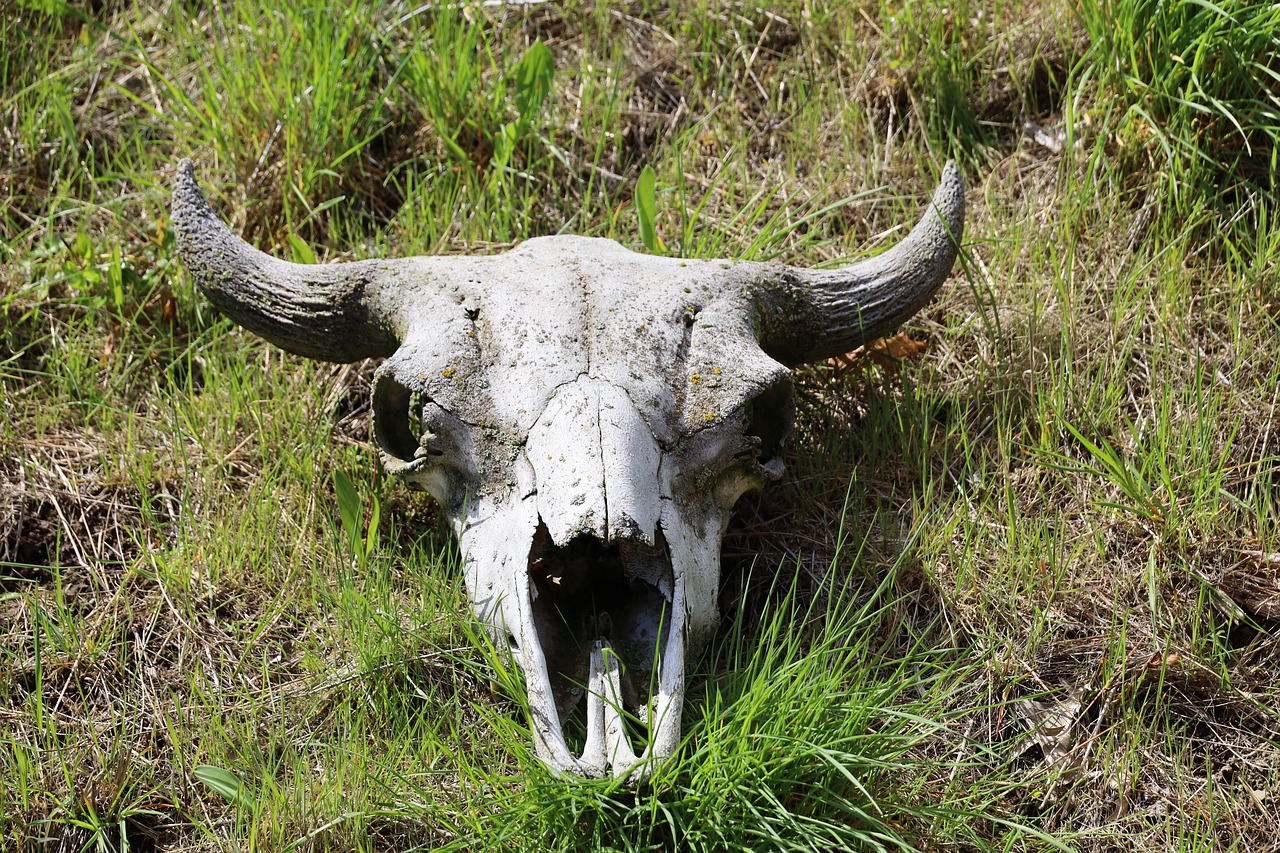
Four hundred backlit skulls from the thousands excavated — the predator-trap physics made dire wolves the collection's signature, and the wall made them famous.
Can we watch real paleontology?
The glass-walled Fossil Lab works in public view at the museum's center — mornings run the fullest benches, and questions through the glass are encouraged.
What are the Excavator Tours?
Seasonal timed walks into the active excavation areas with the diggers narrating — the modest upcharge is the enthusiast's move.
Is the park free?
Always — the seeps, Lake Pit tableau, and Pit 91 deck cost nothing; the museum and tours ticket separately, and the Miracle Mile's art museums stack alongside.
More Los Angeles Attractions
Browse all →
Los Angeles County Museum of Art
The largest art museum in the western US — a sprawling encyclopedic collection on the Miracle Mile, fronted by the Instagram-famous "Urban Light" lampposts and the giant boulder of "Levitated Mass."

Academy Museum of Motion Pictures
The film world's flagship museum, from the people behind the Oscars — immersive exhibits on the art and history of moviemaking, original props and costumes, and a striking spherical building on the Miracle Mile.

Natural History Museum of Los Angeles County
The largest natural and cultural history museum in the western US, in Exposition Park — dinosaur halls, a dazzling gem and mineral vault, dioramas, and an indoor-outdoor nature garden. A great family museum.