The Original Farmers Market & The Grove
Nineteen thirty-four, still seating
⏱ 1-2 hours👤 All ages$
Get Tickets
Get Farmers Market Tickets
Skip the line · mobile tickets accepted at the door
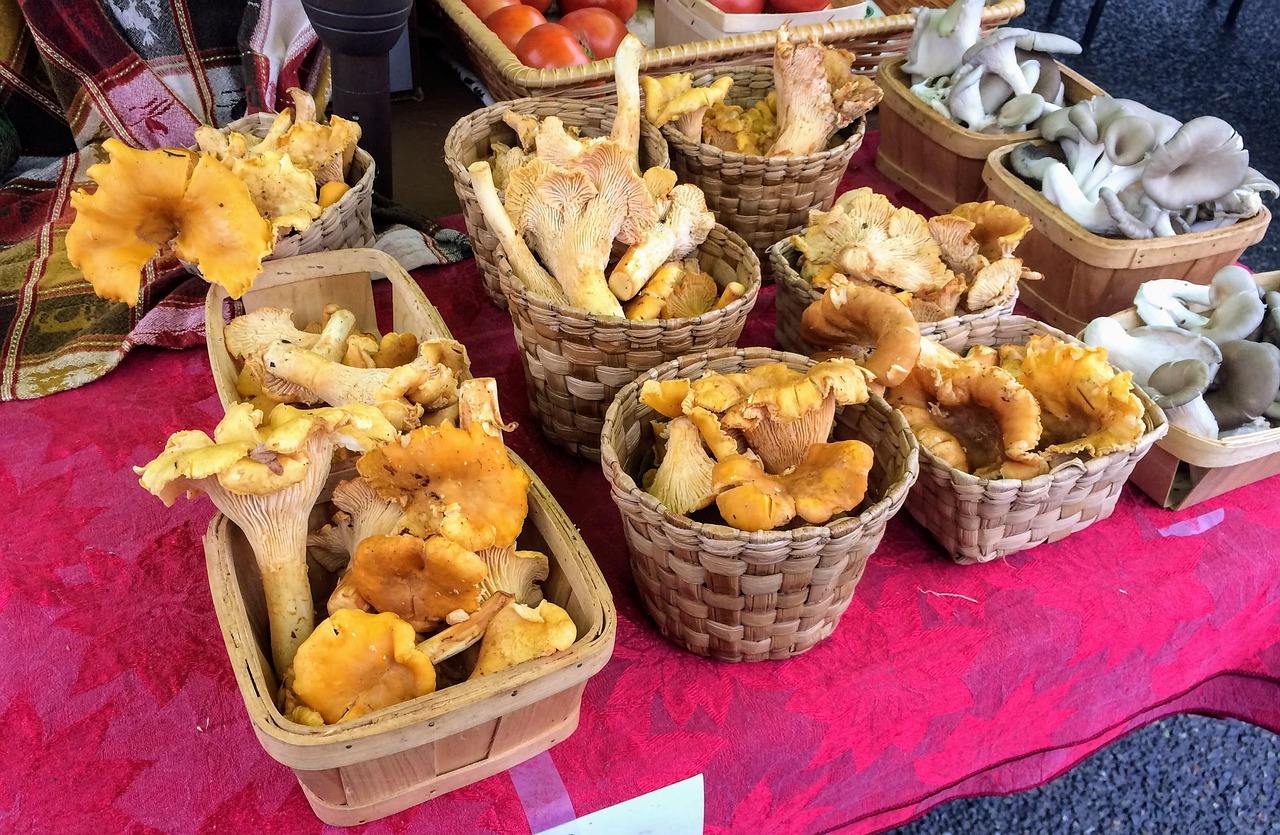
The market's texture is the accumulated century: Blanche Magee's 1934 idea (farmers' trucks on the Gilmore family's field) set the template — permanent stalls, communal tables, no walls — and the roster's longevity does the rest: Bob's Coffee & Doughnuts' crullers, Magee's own nut-and-kitchen legacy, the Gumbo Pot's po'boys, Huntington Meats' counter culture, Monsieur Marcel's cheese-and-wine corner, and the international wave (Pampas Grill's churrasco by the pound, Singapore's Banana Leaf, the Mexican tier) layering decades without a theme team involved. The CBS adjacency wrote the celebrity lore (the market has fed every era of television; sightings remain routine and politely ignored), the Gilmore gas-and-stadium history salts the plaques, and the clock tower's green-and-white remains the meeting point it was built to be.
The Grove's half, used honestly: the trolley's short trundle delights the under-eights, the fountain's crooner shows run hourly, the cinema is the mid-city movie palace of choice, and the Christmas-season spectacle (the tree, the snow machines) is a genuine LA tradition — while the market keeps the soul next door. The combined visit sorts naturally: market counters for the meal (splitting across stalls, communal tables), Grove for the stroll-and-film, and the Fairfax walk south to museum row when the afternoon holds.
Practicals and fit: Third and Fairfax (the market's validated lot is mid-city's parking miracle; buses cross at the corner), market open daily morning-to-evening (stall variance; mornings gentlest), the Grove's hours mall-standard. Fit: families wholesale (the solve-everyone meal plus trolley), breakfast-counter romantics, industry-nostalgia travelers, and the Miracle Mile day's food anchor — tar pits and museums south, lunch under the clock tower between.
What to Expect
Format
The 1934 open-air stall maze under the clock tower — legacy counters to international rows at communal tables — with the Grove's trolley, fountain, and cinema next door.
Best Time
Counter breakfasts with the regulars; lunch rush for full theater; December for the Grove's tree-and-snow tradition.
Duration
A grazed hour to a market-and-Grove afternoon.
Tips
Split across stalls at the communal tables. The validated lot is mid-city's parking miracle. Walk Fairfax south to museum row while the afternoon holds.
⚡ Quick Picks
Best For
The ninety-year lunch — texture the fabricated main streets next door cannot mint.
Families
Every table solves, the trolley delights, and the doughnut counter closes negotiations.
Couples
Counter breakfast among the regulars, cheese-and-wine corner after — mid-city's gentlest date.
Pair With
LACMA, the tar pits, and the Academy Museum ten minutes down Fairfax — the Miracle Mile day's food anchor.
Time Needed
One communal-table meal minimum.
Ready to book Farmers Market?
Get Tickets →Frequently Asked Questions
Is it a real farmers market?
It began as one in 1934 — farmers' trucks on the Gilmore field — and grew into permanent stalls: today it is the city's great food-counter village, with the produce old guard still present.
Which counters are the legends?
The doughnut crullers, the gumbo pot's po'boys, the third-generation butcher, and the churrasco-by-the-pound — split across them at the communal tables; that is the form.
What is the Grove?
The 2002 open-air mall next door — trolley, dancing fountain, the mid-city cinema of choice, and December's tree-and-snow tradition — the modern half of the pairing, used for the stroll.
Is parking really free?
The market validates generously — mid-city's one parking miracle; the lot bridges both properties.
Why the studio lore?
CBS Television City rose next door in 1952 — the market has been the industry's commissary annex ever since, and the politely ignored sightings continue.
More Los Angeles Attractions
Browse all →
La Brea Tar Pits & Museum
The Ice Age bubbling through mid-city — active asphalt pits that trapped mammoths and dire wolves where Wilshire now runs, the museum's 400-skull dire wolf wall, live fossil-lab scientists, and Excavator Tours into the working digs.

Los Angeles County Museum of Art
The largest art museum in the western US — a sprawling encyclopedic collection on the Miracle Mile, fronted by the Instagram-famous "Urban Light" lampposts and the giant boulder of "Levitated Mass."
Grand Central Market
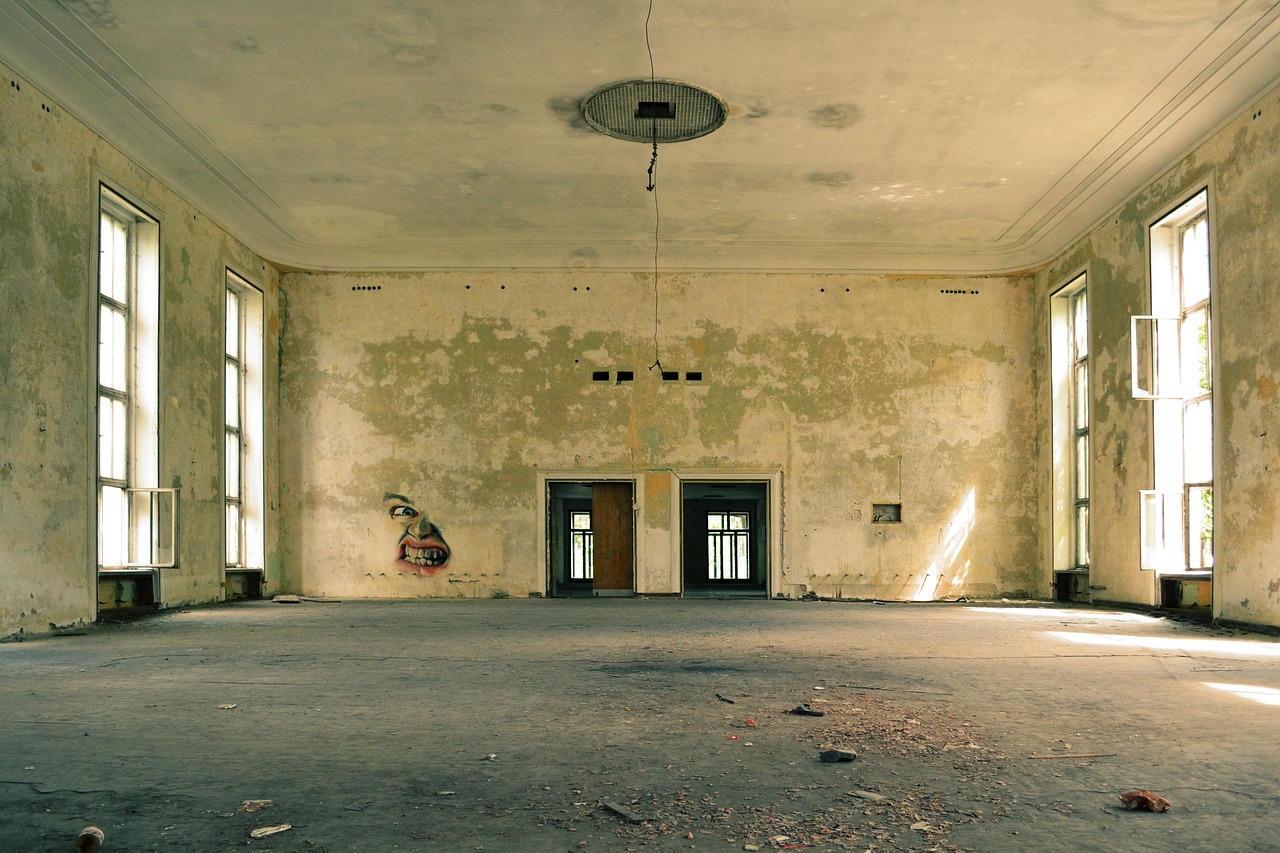
A century of LA eating under one neon-strung roof — the 1917 downtown market where legacy stalls (the 100-year egg-sandwich line, the carnitas counters) share aisles with the new-wave vendors, breakfast to late, Angels Flight at the back door.